OEM vs ODM vs Private Label: Which Manufacturing Model Is Right for Your Jewelry Brand?
2/10/2026
OEM, ODM and private label are the three standard ways to launch a branded jewelry or watch line, and choosing the wrong one usually shows up as wasted sampling budgets, missed launch dates, or a product that looks like everyone else's. So which manufacturing model fits your brand? The honest answer depends on three things: how developed your designs are, how much control you need, and how fast you need to sell. This guide breaks down each model with the practical details buyers actually need to compare them.
OEM: You Design, the Jewelry Manufacturer Produces
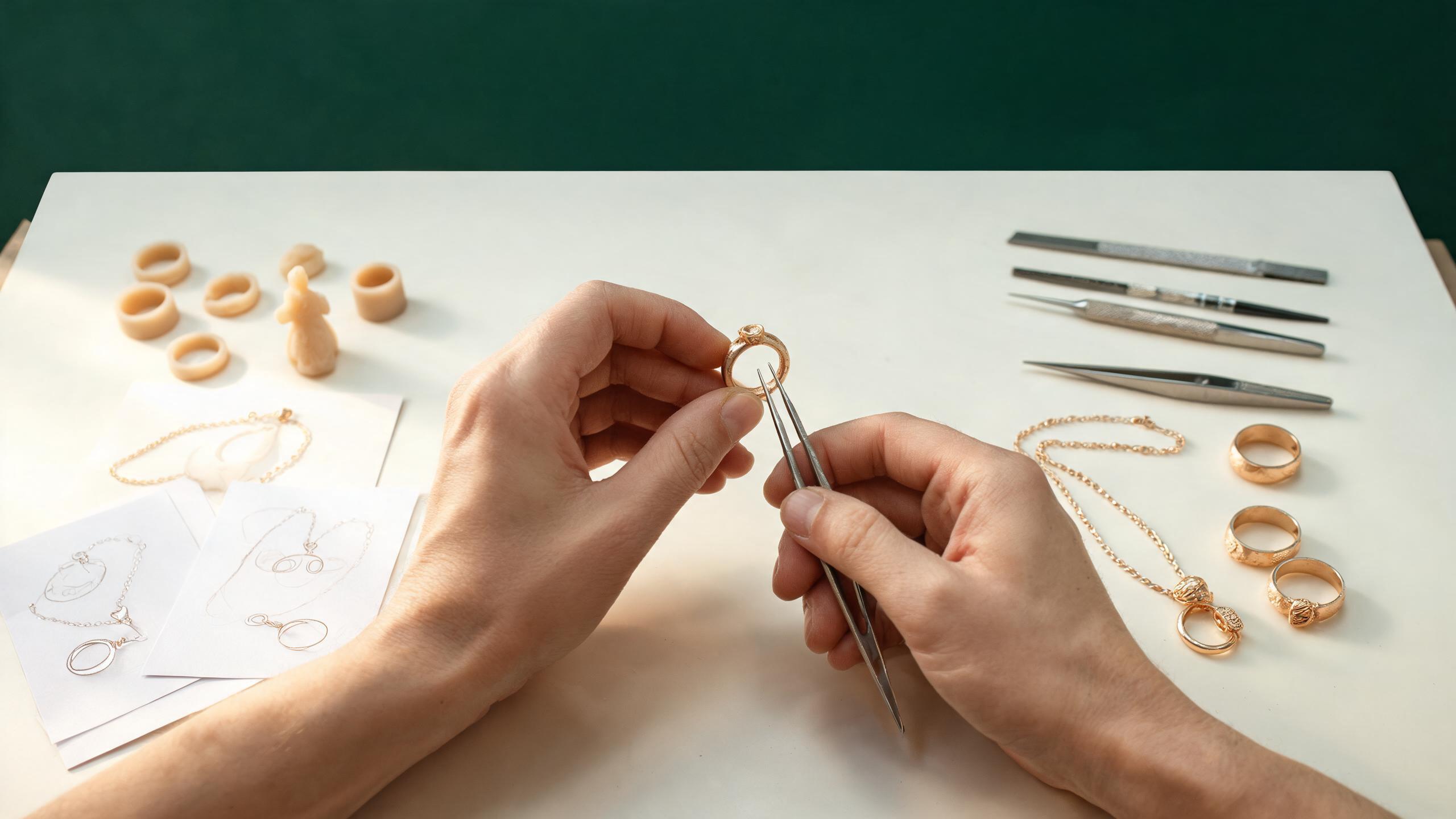
With OEM (Original Equipment Manufacturing), you own the design. You provide drawings, references or a physical sample, and the jewelry manufacturer produces exactly to your specification — dimensions, materials, stones, plating, finishing and packaging. Nothing in the product exists until you approve it.
OEM gives you the strongest differentiation and the cleanest intellectual property position: your designs are not offered to other buyers. The trade-offs are cost and time. Custom jewelry production requires tooling — molds, stamps, setting jigs — which carries a one-time cost, and sampling typically runs through several rounds before the first mass production order. OEM suits brands with a clear design identity, established sales channels, and enough volume to amortize the tooling investment.
Before committing, ask the manufacturer specific questions: Who owns the tooling once paid? How are design files protected? What is the sampling process and how many revision rounds are included? A professional OEM partner answers all three in writing.
ODM: The Factory Designs, You Brand and Adapt
With ODM (Original Design Manufacturing), the factory designs and produces the product, and you select from its catalog and adapt it — changing stones, plating colors, chain lengths, dial layouts or packaging — then sell it under your brand. The factory's design capability is the product you are buying.
ODM is the middle path: far more distinctive than pure private label, but much faster and cheaper than full OEM because the base engineering already exists. Sampling is quicker since you are modifying proven models rather than creating new ones, and MOQ is usually lower because the factory can amortize development across multiple clients. ODM fits brands that want a recognizable collection without an in-house design team, and it is the most common route for e-commerce sellers testing new categories.
The key question to ask an ODM partner is exclusivity: which modifications can be made exclusive to you, and which base designs remain open to other buyers? Clear answers here prevent the awkward moment when your "exclusive" design appears in a competitor's store.
Private Label: The Fastest Route to a Branded Line
Private label means taking existing finished products and applying your branding — logo, packaging, tags, certificates — with no product modification. It is the fastest and lowest-risk way to put a branded line on the market: no tooling, minimal sampling, and the lowest MOQ of the three models.
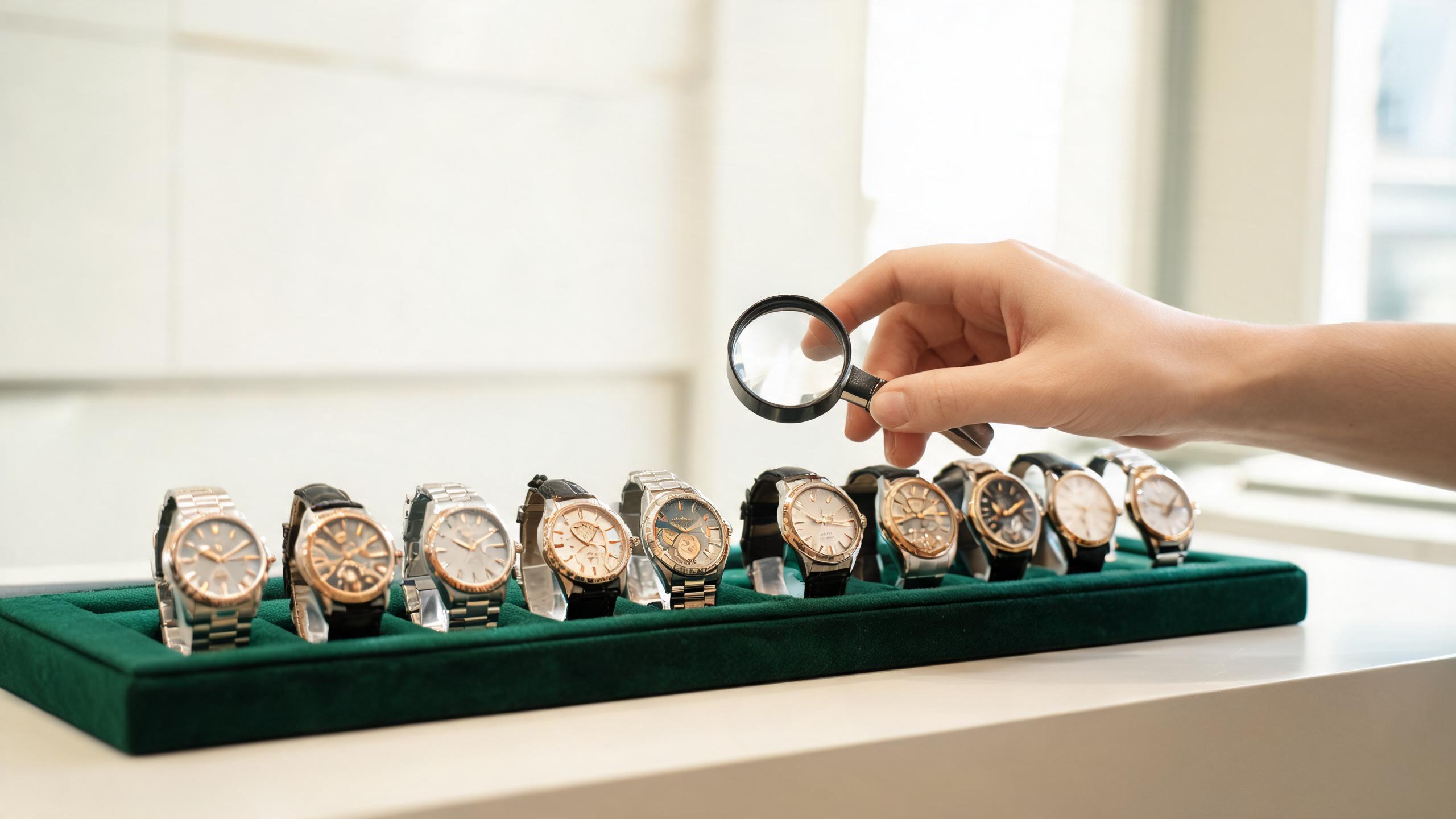
Private label works well for testing market demand, filling out a seasonal assortment, or launching a brand whose early priority is speed. Its limitation is equally clear: the products themselves are not unique, so your differentiation comes from branding, curation, pricing and customer experience rather than the product. Many successful brands start here, validate which styles sell, and then move those winners into ODM or OEM development for exclusive versions.
Side-by-Side Comparison
| Factor | OEM | ODM | Private Label |
|---|---|---|---|
| Design source | You | Factory, adapted by you | Existing products |
| Exclusivity | Full | Partial, by agreement | None on product |
| Tooling cost | Yes, one-time | Usually none | None |
| Sampling time | Longest (multiple rounds) | Moderate | Minimal |
| Typical MOQ | Highest | Medium | Lowest |
| Best for | Established brands with own designs | Growing brands wanting distinct collections | New brands testing demand |
How to Decide: Three Questions
1. How finished are your designs? Complete drawings or reference samples point to OEM; a style direction without technical drawings points to ODM; no design resources at all points to private label.
2. How important is exclusivity? If your brand promise depends on products nobody else sells, OEM (or exclusive ODM modifications) is the only safe choice. If your edge is curation and branding, private label is a legitimate strategy.
3. What is your timeline and budget? OEM projects realistically take months from design to delivery once tooling and sampling are included. ODM compresses that significantly, and private label can ship in weeks. Match the model to your cash flow, not to your ambition.
Questions to Ask Before Signing With Any Partner
- What exactly is included in the quotation — materials, plating thickness, stones, packaging, warranty?
- What is the sampling process, cost per round, and how many revisions are standard?
- Who owns the tooling and design files after payment?
- What are the MOQ terms per model, and how does unit pricing scale with volume?
- What quality control steps apply to custom jewelry production, and are inspection records available per batch?
Whichever model you choose, the quality of the jewelry manufacturer matters more than the label on the cooperation type. A capable partner tells you honestly when a design is not feasible at your price point, proposes alternatives, and protects your branding assets. Start by defining your design readiness, budget and timeline, then shortlist manufacturers who can support the model you need — and ask the five questions above before you commit.